She stills our hearts and captivates our minds. In awe we watch, and with a mere glance from those knowing, wild eyes, our souls tremble like her grizzled hairs in the Alaskan wind.
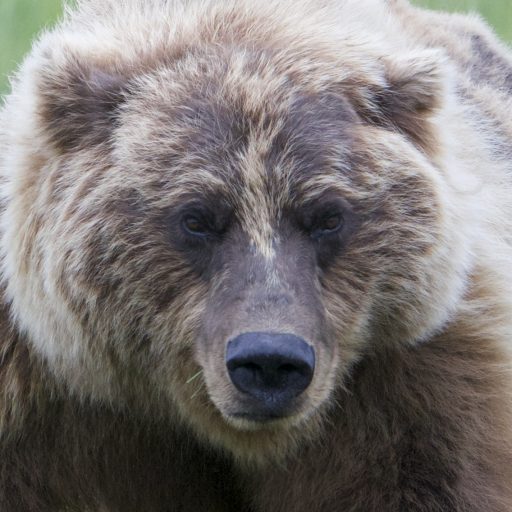
Whether you laugh, cry, or tremble in the presence of bears, being with them is an exciting and life-changing experience.
Several years ago I began a search that would lead me down a path that I believed to be unique: a wildlife guide and researcher. At that time my knowledge of bears was in its infancy. I read a few books and articles, contacted a few professionals, and took a course in bear guiding & safety. When I was hired for my first bear-viewing job, it didn’t take me long to become very interested in bear behavior, and in particular how they communicate. So began my quest to better understand them, and in turn, make me a better guide. Needless to say, I fell in love.
Now, years later, I still hold onto my appreciation for the hardships that bears endure. I continue to marvel at their intelligence, problem-solving skills, determination, and perseverance. What some may see as a ‘lazy bear’ I see as a master of energy conservation. More than any photographic experience, I hope to share this passion with my guests.
Whether guides or guests, we are all lucky to spend so much quality time with wild bears. This means we get to see many aspects of a bear’s life: the most gentle and intimate, the joyous and playful, and the painful and horrific. Not only does this provide amazing photographic opportunities, more importantly it also allows us to learn or teach volumes of information. We can observe things that virtually no other scientists can observe, and it is all due to the tolerance of these ‘ambassador bears’. While it’s fun and games and thrill for us, we must always remember that we are guests. Do not forget that our presence can be harmful in many ways. They are sharing everything with us, having never consented (or even been asked, for that matter), and we can literally get in the way of their life and safety. Their contributions, their sacrifices of personal space and comfort should never be wasted. Please use these opportunities to learn as much as you can, be respectful, and pass on that experience and information.
As such, here are a few rules of thumb for best bear viewing:
- Never, ever feed bears, either directly or by leaving food or trash behind for them to find. When food enters the relationship between us and them, it’s OVER for them.
- Stay in a tight group whether moving or stopped, no more than arm’s length apart. I find the ideal group size is between 3 and 8.
- When moving, be mindful of your surroundings, taking care to make you r presence known and identified as human. Note the presence of wind, rain or running water that can prevent you being heard, or tall grass and forest that prevent visual identification. Maybe you’re on a trail in a blueberry or raspberry thicket. You’ll need to be lounder in these cases or rain or streams, or maybe choose another trail that’s more open. These are risky situations. Be smelled, seen, and heard.
- Never block a bear’s path or field of view, or form a ‘wall’ with your group. You may inadvertently leave them vulnerable.
- I recommend kneeling or sitting on a stool during viewing. This reduces viewing obstructions for them and makes you less of an imposition. Photos are better down low anyway!
- Voices should be kept low and camera noise minimal.
- Keep control of loose fitting garments like plastic ponchos or even camera jackets. The wind can catch them making loud noises and gestures and they scare some bears. One of the only times I’ve been bluff charged was because of an untidy poncho.
- Drones elicit different reactions among bears and indeed all wildlife. I don’t like them for wildlife viewing, and it is illegal to launch drones from our National Parks.
- Learn the signs of stress and leave before you have to. It can be very tempting to ‘camp out’ on a bear. Your guide knows this (though some don’t care), and they should be able to tell if a bear is stressed. It doesn’t matter why they’re stressed…just leave them be. Watch for a while and move on; give them a break.
- Always adding more!
 Jim Phillips